How Adoption Has Changed Over the Years
Adoption has been part of American family life for generations, but the way adoption works today looks very different from the practices of the past. Early adoption systems often focused primarily on finding homes for children, with far less attention given to the experiences of birth parents or adopted people. Secrecy was common, records were frequently closed, and many women had little opportunity to participate in decisions about their child’s future.
Understanding the history of adoption in America helps explain why modern adoption practices place greater emphasis on informed choice, openness, counseling, and lifelong relationships. During National Adoption Month, it is especially important to recognize both the progress that has been made and the lessons that continue to shape ethical adoption today. Learn with us at All About U Adoptions…
Adoption Before Modern Adoption Agencies
Long before states established formal adoption laws, children who could not remain with their parents were often cared for informally by relatives, neighbors, churches, or members of their communities. These arrangements did not necessarily resemble what Americans now think of as adoption. A child might live permanently with another household without any legal process formally changing the parent-child relationship.
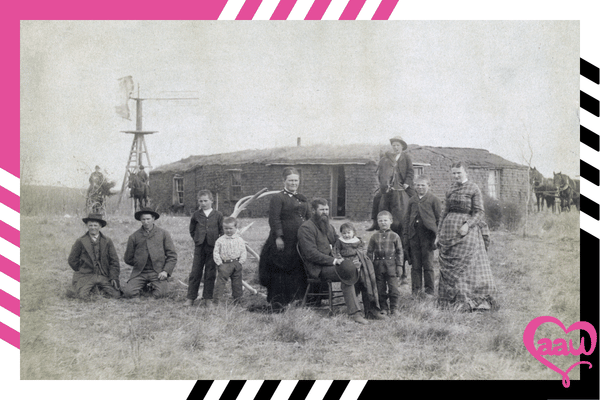
During the 1800s, industrialization, immigration, poverty, disease, and overcrowding left many children without stable homes. Orphanages and charitable institutions became increasingly common, particularly in growing cities. Some children had lost both parents, while others entered institutions because their families were experiencing poverty or could not safely care for them.
One of the best-known chapters from this period was the Orphan Train Movement, which began in the 1850s. Thousands of children were transported from crowded Eastern cities to communities throughout the Midwest and other parts of the country. Some found permanent, loving families, while others were treated primarily as laborers or experienced instability and abuse. The movement illustrates both the desire to find homes for vulnerable children and the serious problems that can occur when placement systems lack adequate oversight and protections.
Adoption Becomes a Legal Process
Massachusetts passed what is widely recognized as the first modern adoption law in the United States in 1851. The law was significant because it required judges to consider whether an adoption was appropriate for the child’s welfare rather than treating adoption primarily as a private agreement between adults.
Other states gradually developed their own adoption laws, and adoption became an increasingly formal legal process. Courts began establishing requirements for adoptive parents, agencies became more involved in arranging placements, and states created procedures for permanently transferring parental rights.
These developments provided important protections, but early adoption systems were far from perfect. Decisions were frequently influenced by social attitudes about poverty, disability, race, immigration, and unmarried pregnancy. The voices of biological parents and adopted people were often secondary to the judgments of institutions and professionals.
The Era of Secrecy and Closed Adoption
By the early and middle decades of the twentieth century, closed adoption had become common throughout the United States. Birth parents and adoptive parents often received little or no identifying information about one another, and adopted children might grow up knowing very little about their biological families.
Social stigma surrounding pregnancy outside marriage played an enormous role in this system. Unmarried pregnant women were sometimes sent away to maternity homes to conceal their pregnancies. Families might tell friends and neighbors that the woman was traveling, working elsewhere, or staying with relatives while she was actually pregnant and preparing for adoption.
After delivery, many women were encouraged, or pressured, to move forward with adoption and then return home without discussing what had happened. Some were told that forgetting the experience and moving on would be best for everyone involved. The emotional impact of separation received little recognition, and meaningful post-placement support was uncommon.
Adoptive families were also frequently encouraged to treat adoption as a private matter. In some families, children were not told they had been adopted until much later in life, if they were told at all.
Why Adoption Records Became Sealed
As closed adoption became more common, many states restricted access to original birth certificates and adoption records. The reasons behind these policies varied and evolved over time, but privacy and secrecy became deeply connected to American adoption practices.
For many adoptees, sealed records created questions that could last well into adulthood. They might have limited information about their ancestry, biological relatives, family medical history, or the circumstances surrounding their adoption. Birth parents could similarly spend decades wondering about the children they had placed without having a way to receive updates or reconnect.
Over time, adult adoptees and birth parents began advocating more publicly for access to information. States have responded differently, and laws governing adoption records continue to vary across the country. The broader conversation, however, helped challenge the assumption that secrecy was automatically beneficial to everyone involved.
Birth Mothers Begin to Have a Greater Voice
One of the most significant changes in the history of adoption has been the growing recognition that an expectant mother considering adoption should be an active decision-maker rather than a passive participant in the process.
Modern adoption practice increasingly recognizes that a pregnant woman needs accurate information about all of her options before making a permanent decision. She should understand her legal rights, have opportunities to ask questions, receive appropriate support, and have time to determine what she believes is best for herself and her child.
Expectant parents can also have much greater involvement in choosing an adoptive family than was common generations ago. Depending on the adoption plan, a woman may review family profiles, speak with prospective adoptive parents, meet them personally, and develop a relationship before placement.
That shift represents more than a procedural change. It reflects a broader understanding that ethical adoption requires respect for the people whose lives will be permanently affected by it.
The Rise of Open Adoption
For much of the twentieth century, many professionals believed separation and secrecy allowed everyone involved in an adoption to move forward more easily. Experiences shared by adoptees, birth parents, and adoptive families gradually challenged that assumption.
Open adoption began becoming more common during the late twentieth century. Instead of eliminating the connection between a child’s birth family and adoptive family, openness allows some form of continuing relationship after placement. The amount and type of contact can differ significantly between families.
Some open adoptions include photographs, letters, texts, phone calls, video chats, or visits. Other families maintain less frequent contact while still ensuring that the child knows who their birth family is and has access to important information about their history.
Openness does not mean that adoptive parents and birth parents share the same parental role. Adoptive parents assume the legal responsibilities of parenting after an adoption is finalized. An open relationship instead allows a child to grow up with greater access to the people, information, and history that are part of their story.
Adoption Language Has Changed Too
The words Americans use when discussing adoption have also evolved. Older adoption terminology often reflected the secrecy and stigma surrounding unmarried pregnancy and adoption itself.
Today, many adoption professionals are more intentional about language AKA positive adoption language. Terms such as “placing a child for adoption” are often preferred to phrases such as “giving a baby away” because adoption is a legal and emotional decision, not an act of casually giving away a child. Professionals may also distinguish between an “expectant mother” who is considering adoption and a “birth mother” after placement has occurred.
Language cannot eliminate the complexity of adoption, but it can influence how people are treated. Respectful terminology recognizes that birth parents, adoptees, and adoptive parents are real people rather than roles in a simple adoption story.
Adopted People Have Helped Change the Conversation
Modern adoption has also been shaped by adult adoptees speaking openly about their experiences. Their perspectives have challenged the idea that adoption should be discussed only from the viewpoint of the adults making decisions at the time of placement.
Some adoptees describe loving relationships with their adoptive families while also experiencing grief, curiosity, identity questions, or a desire to understand their biological families. Those experiences are not necessarily contradictions. Adoption can involve love and loss at the same time.
Adult adoptees have also contributed to conversations about access to original birth records, cultural and racial identity, sibling relationships, medical histories, openness, and the importance of acknowledging a child’s entire story. Ethical adoption continues to evolve in part because people who were adopted are increasingly included in conversations about policies and practices that directly affect them.
Adoption Today Is More Focused on Lifelong Relationships
Modern adoption is increasingly understood as something that continues long after legal paperwork is completed. Placement may be a defining moment, but it is not the end of an adoption story.
Birth parents may need emotional support after placement. Adoptive parents have a responsibility to help their children understand adoption in developmentally appropriate ways as they grow. Adoptees may have different questions about their identities, histories, and relationships at different stages of life.
Open adoption relationships can evolve as well. The contact that works when a child is two years old may look different when that child is eight, sixteen, or an adult. Healthy adoption relationships require communication, respect, flexibility, and an ongoing commitment to the child’s well-being.
What the History of Adoption Can Teach Us
Looking back at the history of adoption in America means acknowledging both progress and painful practices. Earlier generations often operated under social beliefs that favored secrecy and discouraged birth parents and adoptees from discussing their experiences. Some people found loving families through those systems, while others experienced coercion, unanswered questions, discrimination, or lifelong grief.
Modern adoption cannot change that history, but it can learn from it. Greater transparency, informed decision-making, counseling, openness, respect for birth families, and attention to adoptee experiences have developed partly because people were willing to question practices that were once considered normal.
National Adoption Month offers an opportunity to celebrate families formed through adoption. But celebration should not require simplifying adoption into a story with only happy moments. Adoption can involve love, grief, hope, loss, connection, uncertainty, and joy. Respecting all of those experiences gives us a more accurate understanding of what adoption really means.
At All About U Adoptions, we believe adoption should begin with information, respect, and choice. If you are pregnant and considering adoption in South Dakota, North Dakota, or Nebraska, you can talk with our team about your situation and learn how adoption works today. Asking questions does not commit you to adoption, and you do not have to make a decision before reaching out.