Learning that your baby may have medical needs can change everything you imagined about pregnancy and delivery. You may receive unexpected prenatal test results or learn about a condition after birth. Your baby may need specialized treatment or spend time in the NICU. If you are considering adoption, these circumstances can bring even more questions. If your baby is born with medical needs, adoption is still an option. You can still explore adoption and create an adoption plan for your baby. At All About U Adoptions, we can help you understand your options while your baby’s medical team focuses on the care your baby needs.
You Can Still Consider Adoption
A medical diagnosis does not automatically prevent you from choosing adoption. The same is true when doctors are still trying to understand your baby’s condition. You may contact us after receiving concerning prenatal results, following a diagnosis, or after your baby enters the NICU.
Some women begin the adoption process before they know their baby will need specialized medical care. Others start considering adoption because a diagnosis changes what parenting may require. You may realize that your baby needs care you do not feel prepared to provide. Perhaps you are concerned about medical appointments, therapies, finances, transportation, or your ability to provide ongoing care. You can talk openly with us about those concerns without judgment.
What If I Receive Unexpected Prenatal Test Results?
Prenatal testing can sometimes identify a possible medical condition before birth. A screening result may indicate that additional testing is needed. Other tests may provide more information about a baby’s development or health. Waiting for answers can be stressful, especially during an unplanned pregnancy.
If you are already working with AAU, tell us about new medical information as you receive it. We can discuss how it may affect your adoption plan and the matching process. You should also continue working closely with your healthcare providers. They can explain test results, recommend additional testing, and answer medical questions about your pregnancy and baby.
You do not need to make an immediate adoption decision because you received unexpected results. Give yourself an opportunity to gather information. Understanding what doctors know can help you think more clearly about your baby’s possible needs and your options.
What If My Baby Needs the NICU?
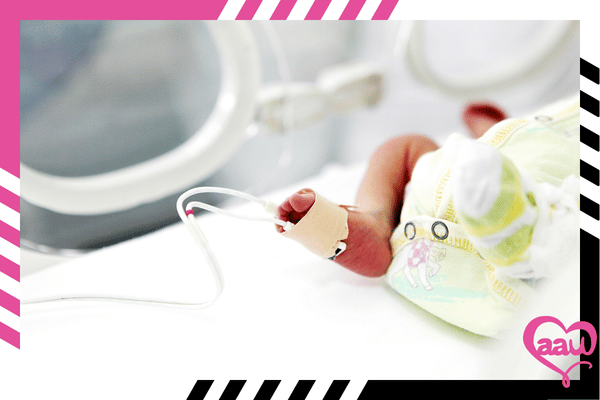
Sometimes medical needs are not known until delivery. A baby may be born prematurely or experience complications requiring additional care. Your baby might need monitoring, respiratory support, feeding assistance, medication, surgery, or other specialized treatment. A NICU stay can last days, weeks, or longer depending on the baby’s needs.
You can begin considering adoption while your baby is receiving hospital care. If you already have an adoption plan, AAU can help you understand how the plan may continue while your baby remains hospitalized. The medical team will determine when your baby is ready to leave the hospital. Adoption planning can happen alongside that medical care.
Can I Spend Time With My Baby in the Hospital?
Considering whether to place your baby for adoption does not mean you must avoid your baby. Many birth mothers want time with their babies after delivery. You may want to hold your baby, talk to them, take pictures, participate in appropriate care, or simply spend quiet time together.
Your baby’s medical condition and hospital policies will affect what is possible. A baby receiving specialized treatment may have limits on holding, feeding, or visitors. Ask the medical team what you can safely do. We can also help you think through your wishes for your hospital experience.
You may experience many emotions during this time. Loving your baby and considering adoption can exist together. Spending time with your child does not mean you have made the wrong decision about adoption.
Are There Adoptive Families Prepared for Medical Needs?
Yes, some prospective adoptive families are open to parenting children who may have medical or developmental needs. However, every family has different experiences, resources, and comfort levels. A medical diagnosis may affect which waiting families are appropriate for a particular situation.
AAU will need accurate information about your baby’s known medical needs. We can use that information when considering potential families. A prospective family should understand the available medical information before deciding whether they are prepared to move forward.
Licensed adoption agencies have a responsibility to provide relevant information during the matching process. Our goal is to identify prospective parents who understand the circumstances and feel prepared to care for the child.
What If the Medical Situation Changes After I Choose a Family?
Medical situations can change quickly. You may select adoptive parents during pregnancy and later learn that your baby has unexpected needs. A baby in the NICU may also receive a new diagnosis after the family has already been chosen.
If something changes, communicate with your counselor or social worker. We can help make sure relevant information is shared appropriately. The prospective adoptive family may need additional conversations with medical professionals to understand what care could be required.
Unexpected medical information can create difficult emotions for everyone involved. Our focus remains on helping you understand what is happening and supporting appropriate planning for your baby’s needs.
Can I Still Have an Open Adoption?
A baby’s medical needs do not automatically prevent an open adoption. You can still discuss the type of relationship you hope to have with your child and the adoptive family. Depending on your plan, contact may include pictures, updates, calls, messages, or visits.
Medical updates may become especially meaningful to you. You may want to know how your child is progressing or hear about important milestones. Discuss those hopes when talking with prospective adoptive parents. Clear conversations can help everyone understand expectations for communication after placement.
What Information Should I Share?
Medical information can be especially important when a child has known or suspected health concerns. Be as honest as possible about your medical history and any information you know about the baby’s father. Family medical history can sometimes help doctors understand a child’s health needs.
You should also share information about prenatal care, medications, substance exposure, test results, and known diagnoses. You may feel embarrassed about parts of your medical or pregnancy history. Please remember that accurate information can help your baby’s healthcare providers and future parents make informed decisions about care.
What Support Can AAU Provide?
An adoption agency does not replace your baby’s doctors, nurses, specialists, or hospital social workers. AAU can support the adoption related parts of your situation while medical professionals manage your baby’s care.
We can help you understand the adoption process, develop your adoption plan, consider waiting families, and discuss open adoption. We can also communicate with appropriate professionals and help you navigate practical concerns surrounding placement. If additional resources are needed, we can help you explore available support when appropriate.
You do not need to understand everything about your baby’s diagnosis before contacting us. Start with what you know, and keep us informed as you receive additional information.
Your Baby’s Medical Needs Do Not Take Away Your Choices
If your baby has medical needs and you are considering adoption in South Dakota, adoption in North Dakota, or adoption in Nebraska, All About U Adoptions is here to support you. You can reach out during pregnancy, from the hospital, or while your baby is receiving specialized care.
A diagnosis or NICU stay can create questions you never expected to face. You can take time to learn about your baby’s needs while also exploring adoption. We can help you consider prospective families, discuss the relationship you hope to maintain, and understand what happens next. You do not have to navigate the medical and adoption decisions alone. We are here to listen, answer your questions, and help you make informed choices for yourself and your baby.